
Ballet · two houses
One company, two stages, a few seats at a time.
The resident company dances in two houses, and the good nights sell out differently from opera. We buy a few seats per evening at the public release and sell them on at the face value printed on the card. This page is what we hold today; the houses’ own pages are permanent.
No ballet production photograph on this page is free to licence, so we use none rather than an unrelated stock dancer. The hall photographs further down are real.
- Face value printed beside our price on every card
- Our margin on opera and ballet cards is €0.00 by design
- Collected free at our office or delivered free to your hotel — never posted
- A refund date on every line, before you pay
This is the ticket page
What is here is what we happen to be holding today, so it changes and is sometimes empty. The pages that do not change are both houses the company dances in, tier by tier, and each production with every date it is danced.
Wiener Staatsoper →Opera →The season, and what we hold
Nothing on our shelf today
Each card says what the evening is and whether we hold a seat for it. Open or sold out — never a count of somebody else’s seats.
House
Those numbers count evenings listed on this page. They are never a count of seats.
Nothing in hand
We hold no ballet seats at the moment
That is a normal state, not a fault. We buy a handful of cards when a house releases an evening, and between releases we hold nothing — the page stays here either way.
Ask us on WhatsApp and a person tells you when something comes in.
Two houses, one company
Where the same dancers dance
A house’s own page, where it is in our catalogue, carries its rooms, its tiers and its box office.
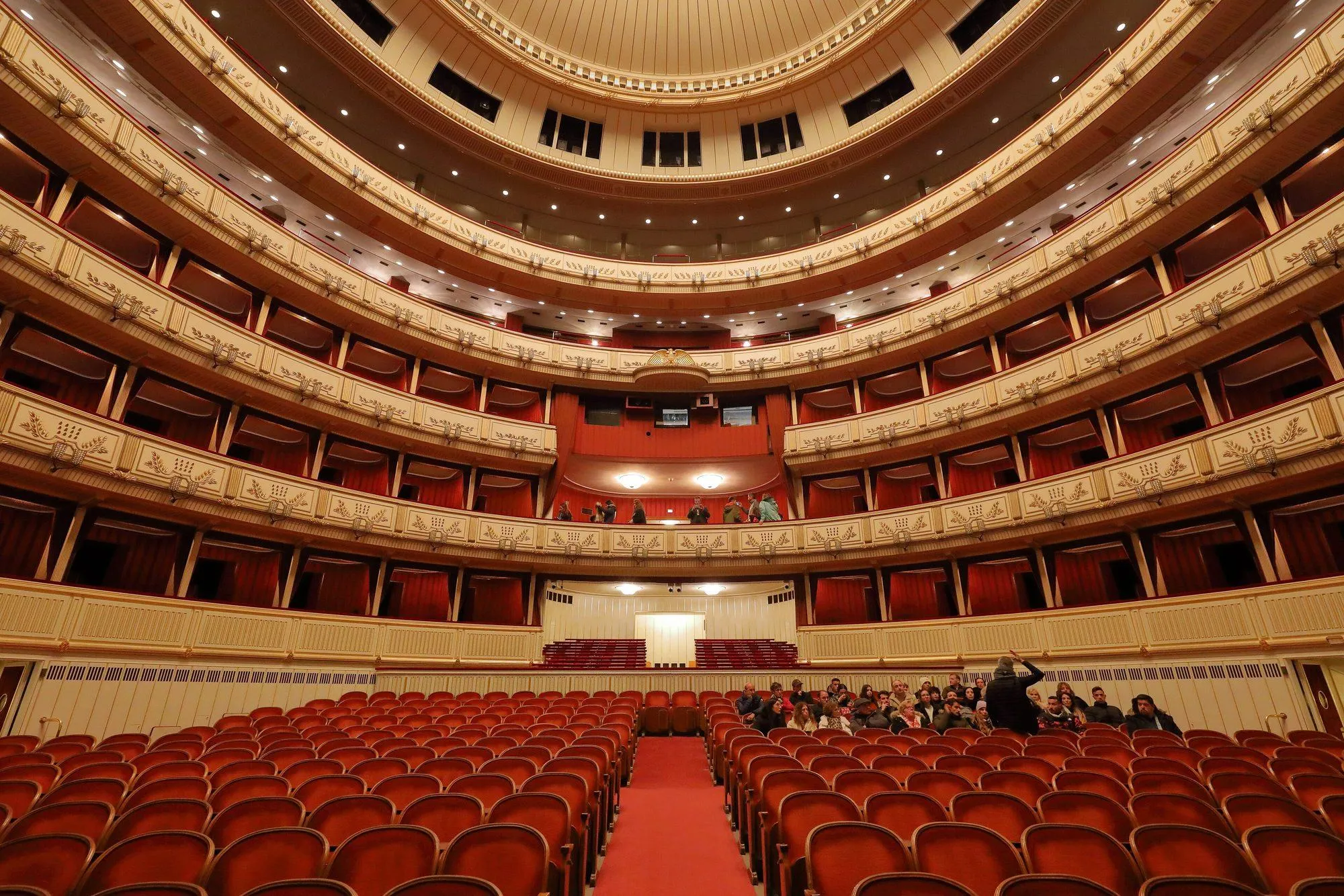 Wiener StaatsoperThe opera house on the Ring, first of the great Ringstrasse buildings. A few nights a season the Wiener Mozart Konzert takes its stage.Opernring 2, 1010 WienThe house, tier by tier →
 Volksoper WienThe second house, in the ninth district.Its page arrives with the house’s own tiers the day the house is in our catalogue.
The honest bit
Ballet sells out differently — so we buy differently
The house sells first
Every performance goes on public sale from the house itself, to everyone at once. We are in that queue like anybody else and get nothing earlier.
We buy a handful
A small number of physical cards per evening, bought at the release and paid for. They are ours: a real financial position, which is why the number is small.
We resell at the price printed on the card
The face value is printed beside our price on every line, our booking fee is €0.00, and on these cards our margin is €0.00 by design.
When they are gone, we say so
The row reads sold out and keeps its place. No waiting list, no timer, no substitute you did not choose — and the house’s own box office is linked from every page.
Standing places are sold by the house, on the day, at the house, and cannot be held by anyone — see the standing-room guide. Where a house runs a reduced scheme of its own, it beats anything we can offer: buy direct.
Questions people actually ask
Is it cheaper to buy from the house?
Is it cheaper to buy from the house?
Usually yes, and where that is true we link to their own box office on the page. Our booking fee is €0.00, but a house selling its own seat has no intermediary at all.
What happens if the house says no?
What happens if the house says no?
You are refunded in full and immediately, whatever the date, and told that we could not supply. There is no voucher and no substitute you did not choose.
Why do you sell opera cards at zero margin?
Why do you sell opera cards at zero margin?
So a visitor arriving in December can still get into an evening that sold out in September. It is a service position, not a profit one, and we carry the risk if a card goes unsold.
When are house releases?
When are house releases?
Each house publishes its own dates, months in advance. Where we know the next one for a title we hold nothing for, we print it on that title’s page.
Can I buy standing room from you?
Can I buy standing room from you?
No. Standing places are sold by the house alone, on the day of the performance. There is nothing for us to hold and nothing to resell.
What does it cost?
What does it cost?
From €4 with the house’s BT-Card, as its own ticket page puts it. The price depends on the performance, and the house’s ticket shop shows it for each one.
When do standing places go on sale?
When do standing places go on sale?
At 10:00 on the day of the performance, in the house’s own online ticket shop.
Do I have to queue?
Do I have to queue?
Not for the ticket: the house sells standing places online from 10:00 on the day of the performance.
What is the scarf for?
What is the scarf for?
It is how a standing place is claimed once you are inside: you tie it to the rail. It is a real convention and it is respected.
Is standing room a good idea for a first visit?
Is standing room a good idea for a first visit?
It is a good idea if you are there for the music and you can stand for three hours. If you want an evening rather than a performance, buy a seat.
Opera at the same houses, same rules
A handful of seats bought at the release, the face value printed beside our price, and the tier-by-tier read of the house.
The rest of an evening
- Everything on tonight →The calendar: concerts, opera, ballet and the days around them, by date.
- What to wear →What people actually wear, and the two occasions where a code is enforced.
- With children →Which evenings work with children, and why the age rule differs.
- How booking works →What you can hold us to, on one page.